



-40%


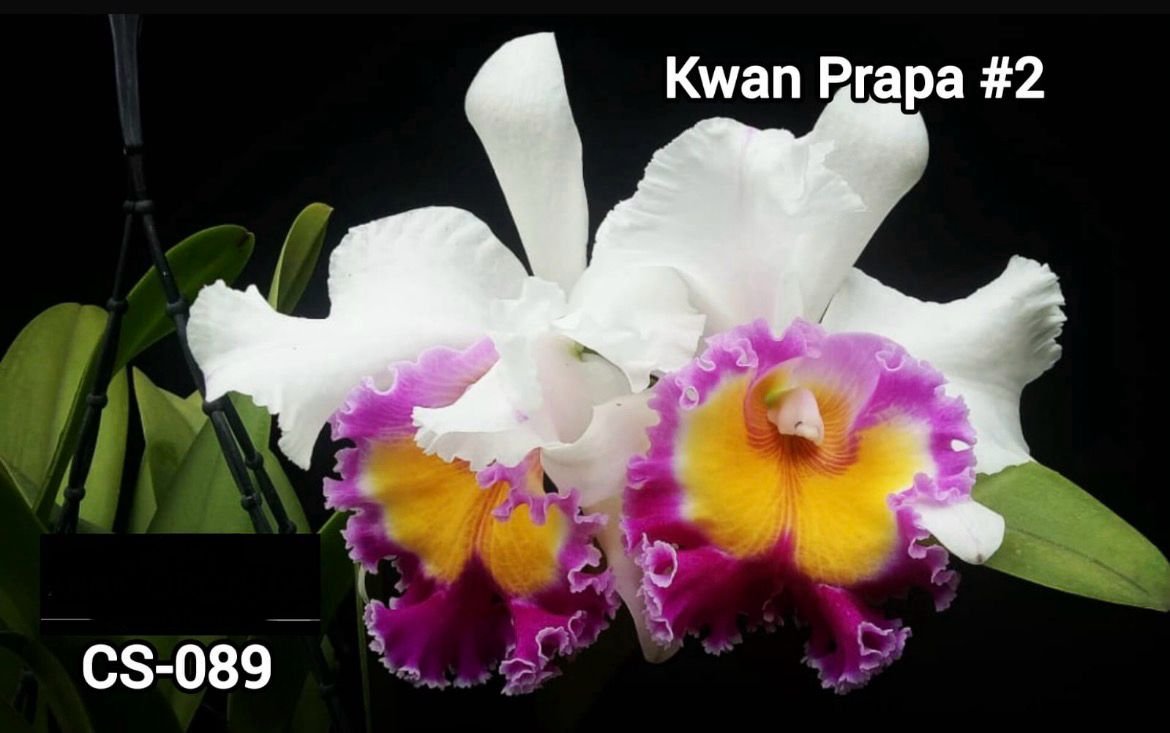
Cattleya Orchid – CS -089
Original price was: ₹499.00.₹299.00Current price is: ₹299.00.
selling size mentioned in 2nd image
Additional information
Guaranteed safe checkout
Description
Description
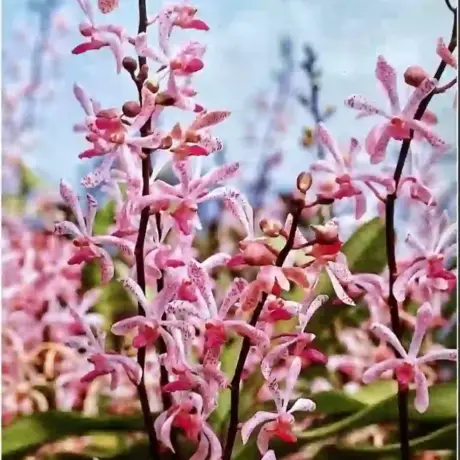
Cattleya Orchid
Description
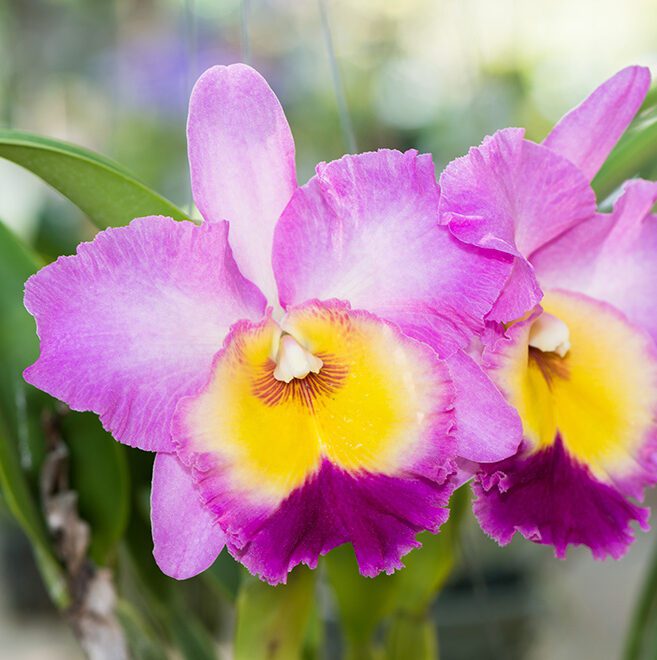
The Cattleya genus, often called the “corsage orchid” or even the “queen of orchids”, is a showy and elegant group of orchids known for large, colourful and often fragrant flowers. (The Spruce)
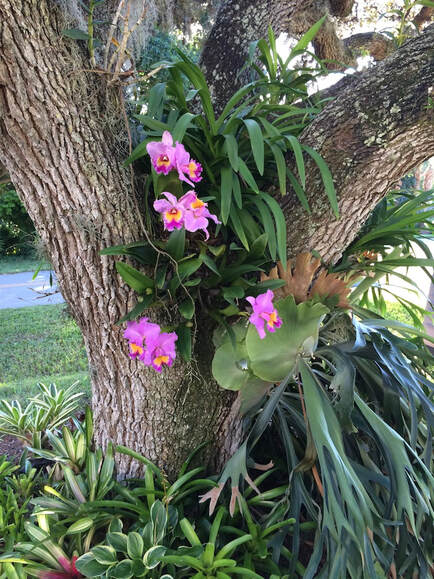
- These orchids are typically epiphytic (growing on other plants or tree branches in nature) though sometimes terrestrial. (The Spruce)
- They produce pseudobulbs (bulb‐like stems) from which 1-2 leaves arise, and the flower spike emerges from a sheath at the pseudobulb base. (Wikipedia)
- Leaves are generally firm, leathery to somewhat fleshy; flower colours vary widely across hybrids and species, and many blooms are scented. (aos.org)
For Alans Garden, this makes Cattleyas an ideal premium orchid offering — their show‐stopping blooms create a sense of luxury and elegance.
Care Guidelines
Here is a comprehensive care guide tailored for your website at Alans Garden, to help customers succeed with Cattleyas in our environment (Kerala/India).
| Care Aspect | Recommendation |
|---|---|
| Light | Cattleyas need bright light but not harsh direct midday sun. Leaves should be a light green (not dark green or scorched). (aos.org) For indoor use: place near an east or south‐east facing window with filtered sunlight. In outdoor/greenhouse conditions: 20–35 % full sun ( shade cloth may be needed in hot climates). (aos.org) |
| Temperature | Daytime ideal: about 21-29 °C (70-85 °F) ; Night: about 12-18 °C (55-65 °F). A drop of ~5-8 °C at night encourages flowering. (aos.org) In hot/humid Kerala conditions, ensure good air circulation and possibly some afternoon shade. |
| Watering | Use a “wet/dry” cycle: water thoroughly when the medium has dried somewhat, then allow it to dry before the next watering. They dislike being constantly soggy. (Smithsonian Gardens) In general: ~once a week watering is a good starting point, adjusting for season, pot medium and local climate. |
| Humidity & Air Circulation | Aim for moderate to high humidity (around 50-70 %). Good air movement is crucial to prevent fungal or bacterial issues in humid climates. (aos.org) Placing the pot on a tray of pebbles with water beneath (without the pot sitting in water) can help raise ambient humidity. |
| Potting Medium & Repotting | Use a coarse, well‐draining orchid mix: e.g., bark chips + perlite + charcoal; avoid fine soil that remains damp. (The Spruce) Repot every ~2 years (or when the medium has broken down / roots overcrowded), and always repot after flowering if possible (not while bloom is active). (Missouri Botanical Garden) |
| Fertilizing | During active growth use a balanced orchid fertilizer at about ¼ to ½ strength every watering (or every other watering) in growing season. (aos.org) In slower growth / post-flowering period reduce fertilization. |
| Flowering Encouragement | Providing strong light + good day/night temperature difference + healthy root system will support blooming. Many hybrids bloom once a year, some more often. (aos.org) |
| Common Issues & Tips | • Leaves turning dark green → insufficient light. (The Spruce) • Leaves with reddish or purple edges → too much direct sun. (The Spruce) • Over‐watering or poor drainage → risk of root rot. • While humidity is good, stagnant humid air increases fungal risk—always provide air movement. • Do not repot when blooming—wait until after bloom and new growth appears. (Missouri Botanical Garden) |
Presentation Suggestion for Website
For the Alans Garden site, you might consider structuring the description in the following way:
- Headline: “Cattleya Orchids – The Majestic Bloom for That Elegant Touch”
- Intro paragraph: Briefly describe the genus, beauty of blooms, suitability as premium indoor/outdoor plant.
- Key features: (bulleted) – Showy fragrant flowers, elegant pseudobulb‐and‐leaf structure, great for gifting or display.
- Care Guide: Use the table (or a stylised layout) of Light, Temperature, Watering, etc.
- Why choose from Alans Garden: e.g., “Each plant is selected, repotted into a high-quality bark medium, acclimated for local conditions in Kerala, and comes with our care tip card.”
- Call to Action: “Order your Cattleya today and enjoy breathtaking blooms with a touch of luxury.”
Local Considerations for Kerala / Indian Climate
- Given the warm tropical climate in Kerala, make sure the plants are shaded from the harsh afternoon sun and provided with good ventilation.
- During monsoon/high humidity periods, ensure extra air movement and avoid overwatering.
- If room temperatures are steadily high at night, you may need to monitor and ensure an occasional cooler period to support flower initiation (even in indoor settings).
- Use filtered or rainwater if tap water is very hard (Cattleyas are somewhat sensitive to salt build-up).
Specifications
- Lorem ipsum dolor sit amet
- Praesent vitae justo id velit
- Duis sed nisi rhoncus, fringilla turpis

Reviews
There are no reviews yet.