




Divi Divi Plant Care Guide :
Light Requirements
Divi Divi prefers bright sunlight and plenty of direct light. A location receiving several hours of direct morning or afternoon sunlight is ideal. Full sun encourages stronger growth, denser foliage, and a healthy natural form.
When growing it indoors or in a container, place it near the brightest available window or move it outdoors where it can receive adequate sunlight. Plants grown in insufficient light may become weak, stretched, and less attractive. If moving a plant from shade to strong sunlight, gradually increase its exposure to prevent leaf scorch.
Watering
Water the Divi Divi Plant deeply, but allow the soil to dry partially between waterings. During active growth and hot weather, check the soil regularly and water when the upper layer becomes dry.
Young plants require more consistent moisture while establishing their root systems. Mature plants are generally more tolerant of short dry periods once established. Avoid keeping the roots continuously wet because waterlogged soil can lead to root problems.
Always ensure that excess water drains away freely after watering.
Soil and Potting
Divi Divi grows best in a well-draining, moderately fertile soil mix. For container cultivation, use a mixture containing garden soil, coarse sand, cocopeat, compost, and other materials that improve drainage and aeration.
A pot with drainage holes is essential. Avoid choosing an excessively large container because unused soil can retain moisture for too long. Repot young plants when roots become crowded, preferably during active growth.

Temperature and Humidity
As a tropical plant, Divi Divi prefers warm temperatures and performs well in warm climates. Protect young plants from prolonged exposure to cold temperatures and chilly winds.
It generally adapts well to normal outdoor humidity in tropical and subtropical areas. Good air circulation is important, particularly when the plant is grown in a humid environment. Avoid placing container-grown plants in enclosed areas with stagnant air.
Fertilizing
Feed Divi Divi during active growth with a balanced fertilizer at a moderate rate. A diluted liquid fertilizer can be applied every few weeks during the growing season, while compost or well-decomposed organic matter can be added periodically.
Avoid excessive fertilizer, especially nitrogen-heavy products, as they may encourage soft, overly vigorous growth. Always follow the application instructions provided with the fertilizer.
Pruning and Training
Regular pruning is useful for maintaining the desired shape, particularly when Divi Divi is grown as a container plant or bonsai. Remove dead, damaged, or crossing branches using clean pruning tools.
Young plants can be trained gradually to develop a strong trunk and attractive branching structure. Allow the plant to establish before carrying out heavy pruning. If growing it as a bonsai, careful root and branch management can help create a miniature version of its natural appearance.
Propagation
Divi Divi is commonly propagated from seeds. Fresh, healthy seeds can be sown in a well-draining propagation medium. Because the seed coat can be hard, appropriate seed preparation may help improve germination.
Keep the medium lightly moist rather than saturated and provide warmth and bright light. Once seedlings develop several healthy leaves and a stronger root system, they can be transferred carefully into individual containers.
Common Problems
Poor drainage and excessive watering can cause root problems, while insufficient sunlight may result in weak or elongated growth. Leaf yellowing can occur because of watering problems, nutrient deficiencies, or environmental stress.
Common garden pests such as aphids, scale insects, mealybugs, and caterpillars may occasionally affect the plant. Inspect the leaves and young stems regularly and address infestations early using an appropriate plant-safe treatment.

Final Care Tips
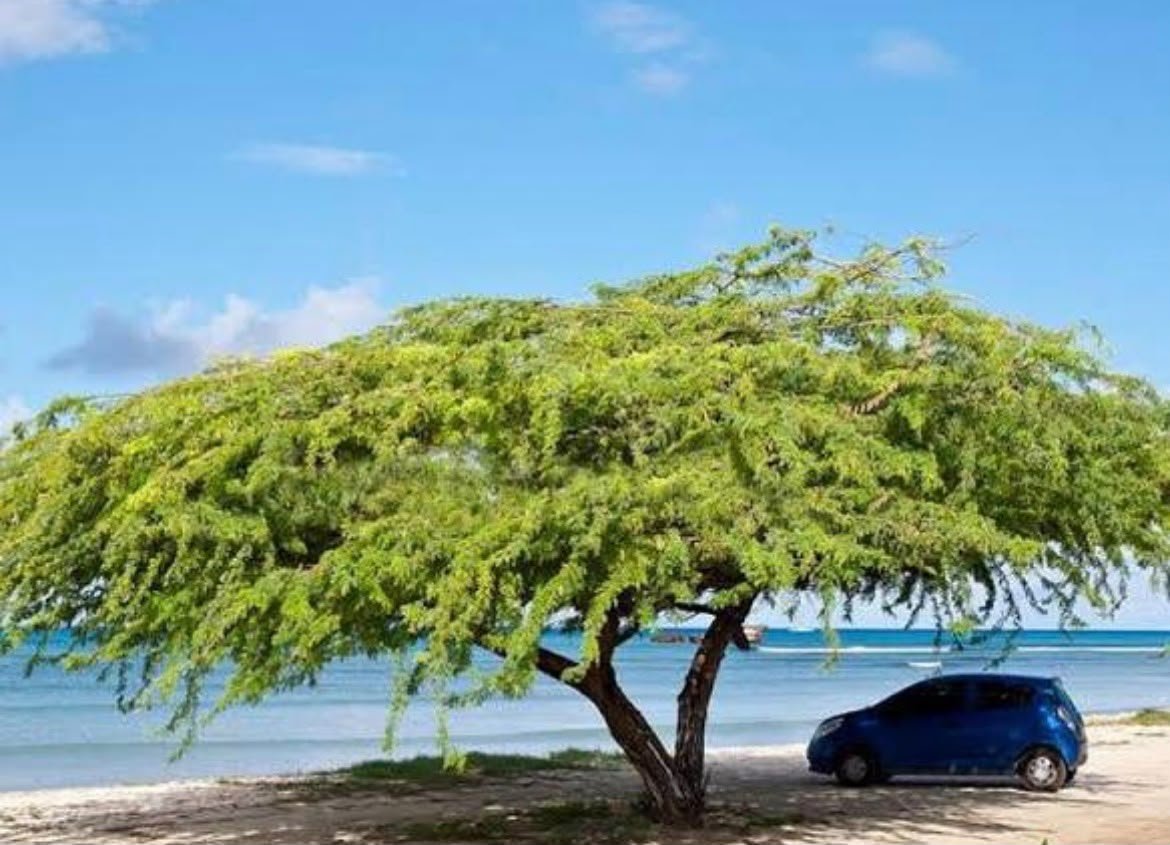
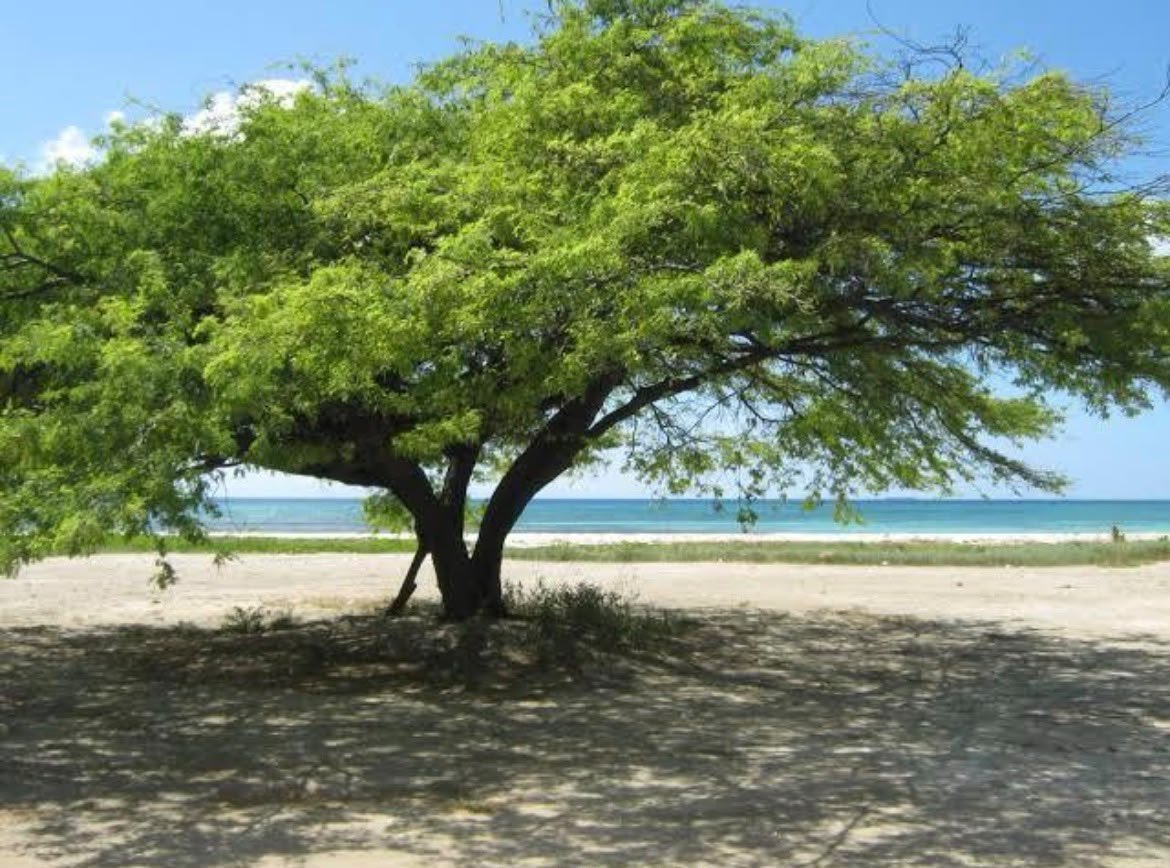
For healthy Divi Divi growth, provide plenty of sunlight, well-draining soil, careful watering, warmth, and regular pruning. Young plants benefit from consistent moisture while established specimens can tolerate somewhat drier conditions. With suitable care and enough space, Divi Divi can develop into a distinctive tropical ornamental tree with attractive foliage and unusual seed pods.


Reviews
There are no reviews yet.