


-75%


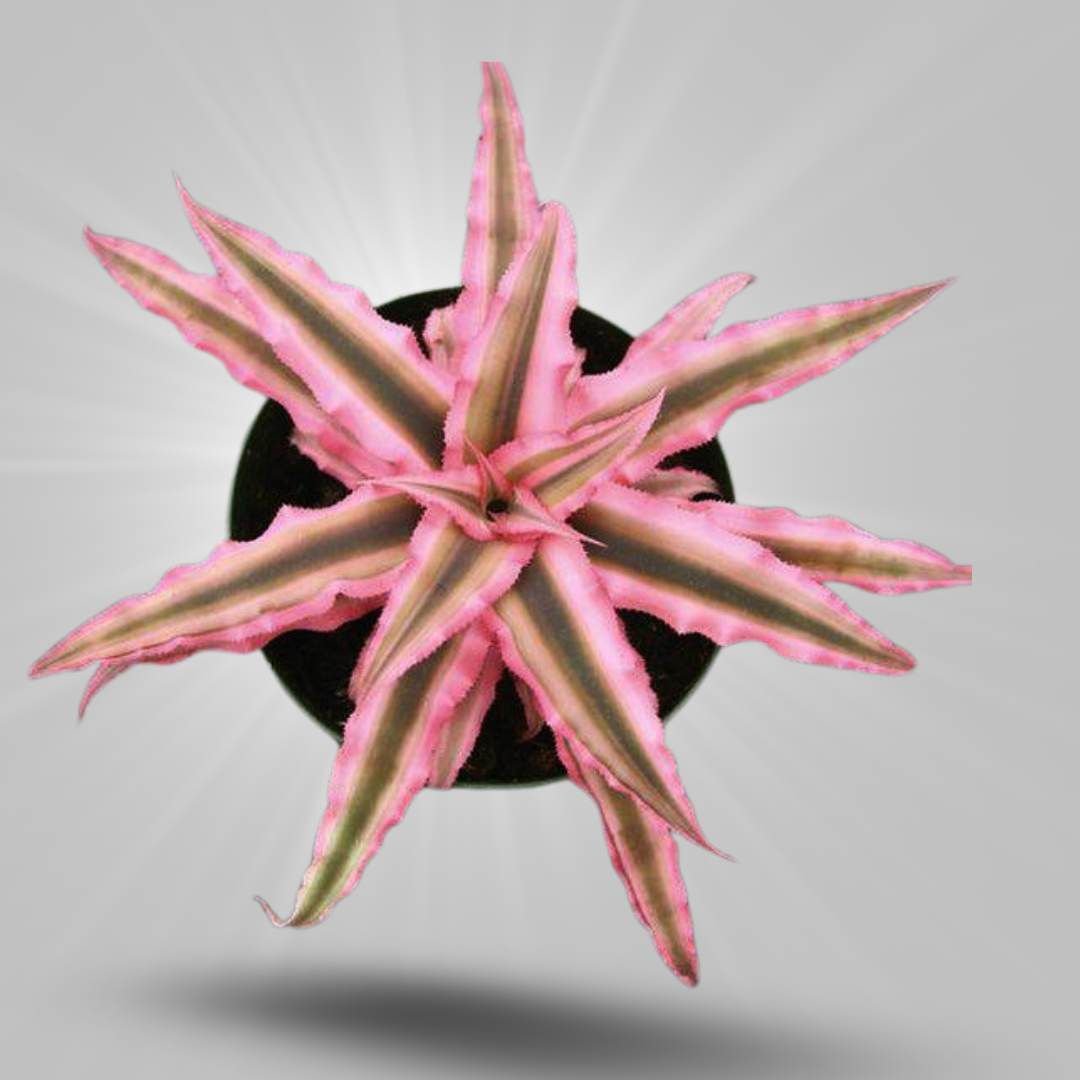
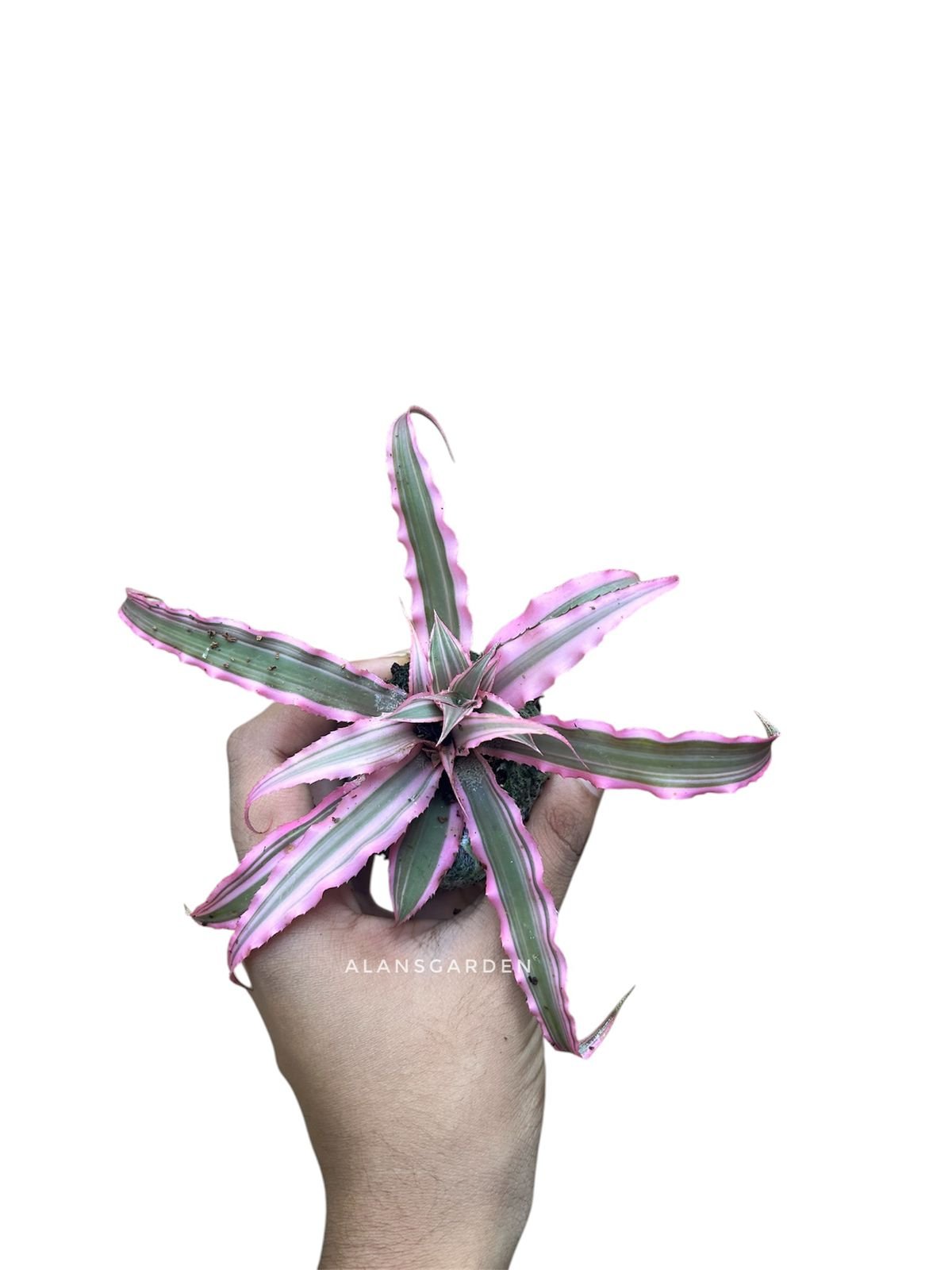
Cryptanthus pink
Original price was: ₹199.00.₹49.00Current price is: ₹49.00.
selling size sown in the last image ( jiffy plant). Orders will be dispatched within 4–7 working days from the date of order placement.
Additional information
Guaranteed safe checkout
Description
Description

Here is a care guide for the Cryptanthus Bivittatus Pink Starlight :
1. Light
- Bright, Indirect Light is Best: This is crucial for maintaining the plant’s brilliant pink and red coloration. A spot near an east or west-facing window is often ideal.
- Avoid Direct Sun: Strong, direct midday sunlight can scorch or bleach the leaves.
- Low Light Warning: Too little light will cause the vibrant colors to fade and the leaves to turn a duller green.
2. Watering
- Keep Soil Consistently Moist, But Not Soggy: Water thoroughly when the top 1-2 inches of the soil feel dry to the touch.
- Drainage is Essential: Use a pot with drainage holes and ensure excess water is never left standing in the saucer, as this will lead to root rot.
- Watering Technique: Water the soil directly, avoiding pouring water into the center “cup” or rosette of the leaves, as this can cause crown rot.
- Water Type (Optional): As a bromeliad, it can be sensitive to chemicals in tap water (like fluoride), so using distilled water or rainwater can be beneficial.

3. Humidity & Temperature
- High Humidity is Preferred: Native to the Brazilian rainforest floor, this plant thrives in medium to high humidity (50-90%).
- To increase humidity, you can mist regularly, place the pot on a pebble tray with water, or grow it in a terrarium.
- Warm Temperatures: Maintain average room temperatures, ideally between 60°F to 80°F (15°C to 27°C). Avoid cold drafts or temperatures below ().
4. Soil and Potting
- Well-Draining Soil: Use a rich, well-draining mix. A mix designed for bromeliads, orchids, or a standard potting mix amended with perlite, coarse sand, or bark is a good choice.
- Shallow Roots: Cryptanthus have relatively shallow root systems and do not need deep pots.
- Repotting: Repotting is infrequent, only necessary when the plant outgrows its container or to separate pups.
5. Fertilizing
- Fertilize Lightly: Fertilize sparingly, only during the growing season (spring and summer), about once a month.
- Dilution: Use a balanced liquid houseplant fertilizer diluted to a quarter or half strength. Too much fertilizer can cause the plant’s vibrant colors to fade.

6. Propagation
- Pups (Offsets): The plant is monocarpic, meaning the mother plant will slowly die after flowering, but not before producing small offsets called “pups” at its base.
- Separation: You can gently remove a pup when it is about one-third the size of the mother plant. Allow the cut surface to callus over for a day or two before planting it in its own small pot with a well-draining mix.
Specifications
- Lorem ipsum dolor sit amet
- Praesent vitae justo id velit
- Duis sed nisi rhoncus, fringilla turpis


Reviews
There are no reviews yet.