


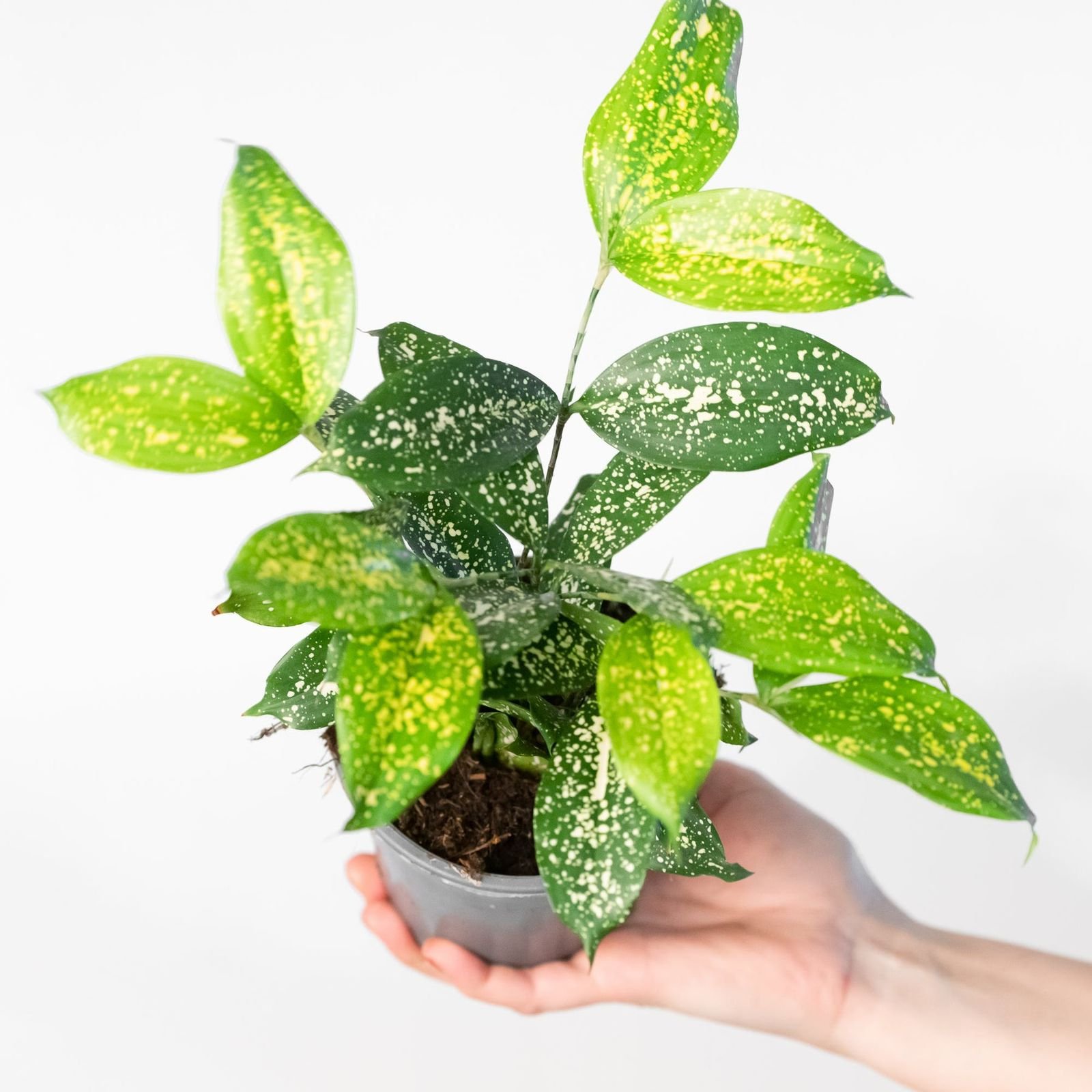
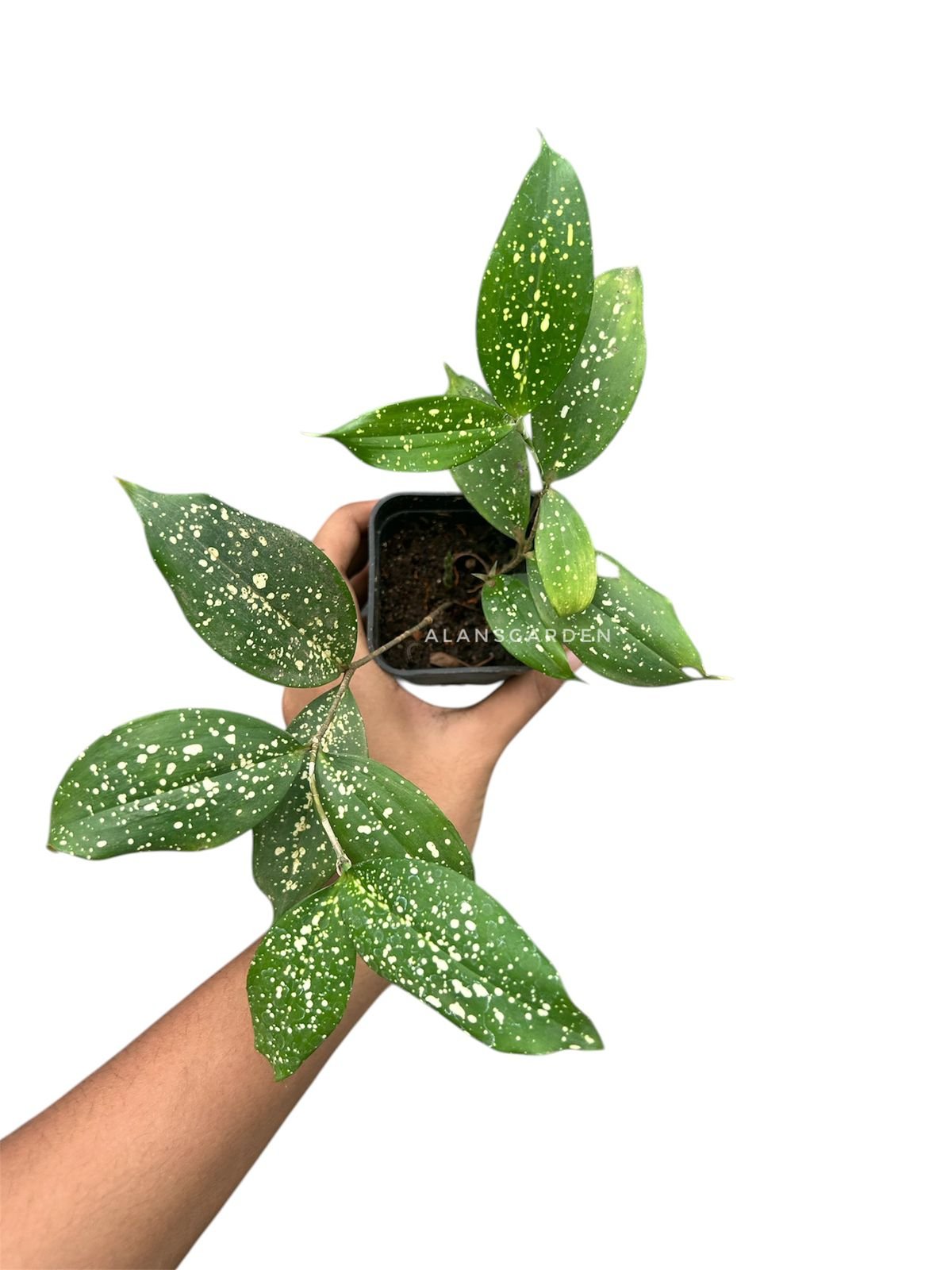
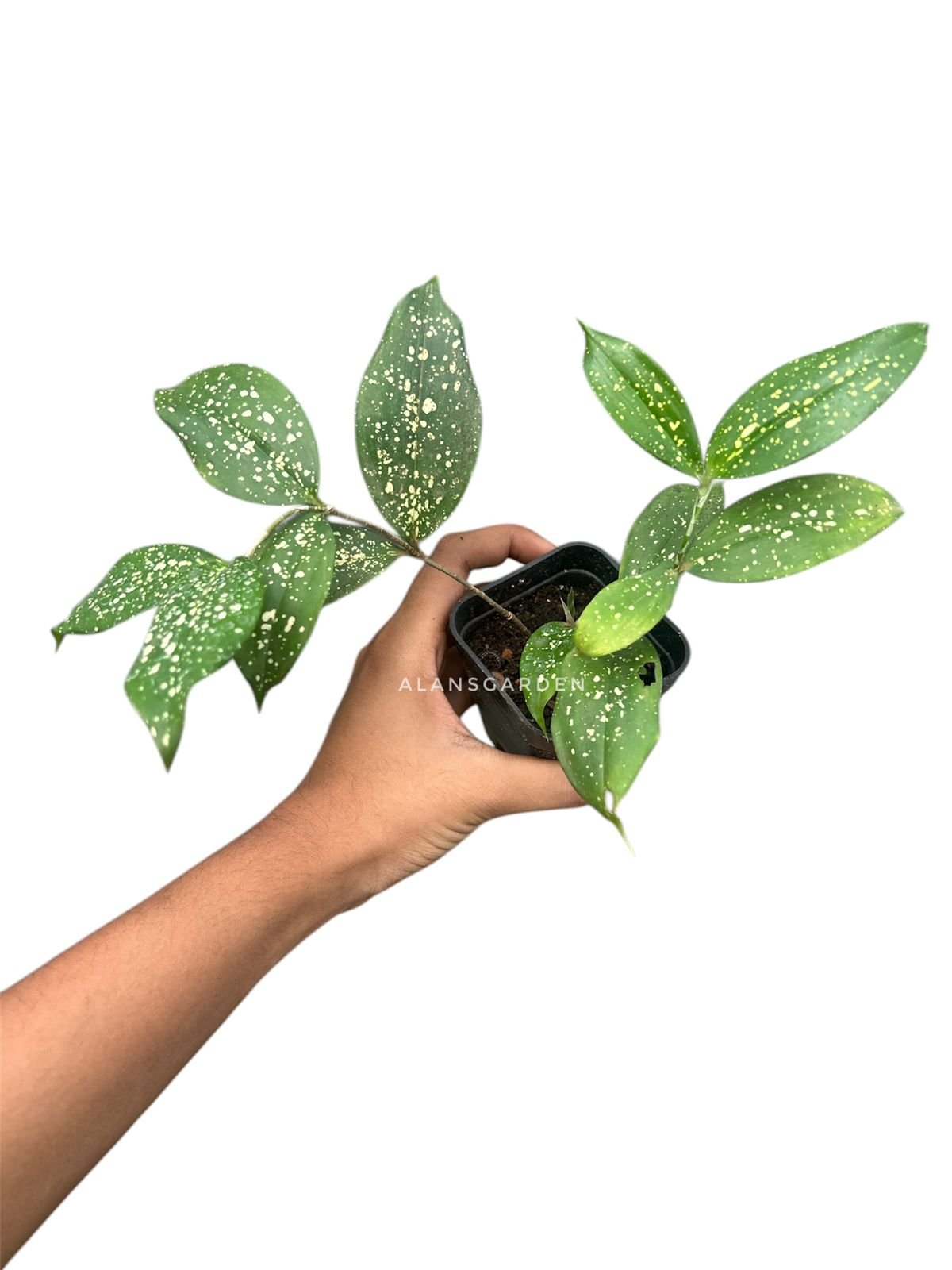
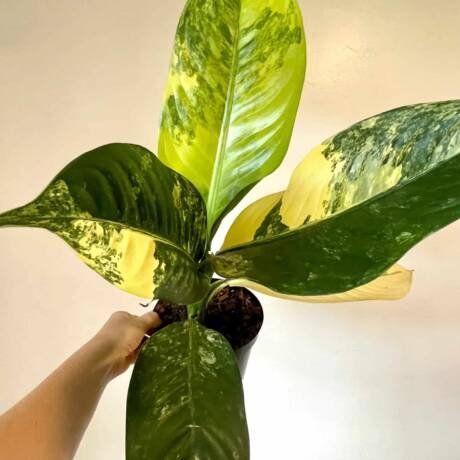
Dracenea Gold dust
Original price was: ₹299.00.₹149.00Current price is: ₹149.00.
selling size shown in the last image
Additional information
Guaranteed safe checkout


Description
Description
### ☀️ Light Requirements
The plant needs **bright, indirect light** to maintain its vibrant spots. Direct sunlight will scorch the leaves, while too little light will cause the golden speckles to fade.
* **Tip**: An east or west-facing window is ideal. If placing near a south-facing window, keep it a few feet back or behind a sheer curtain.
### 💧 Watering Needs
Gold Dust Dracaenas are sensitive to overwatering. The most common mistake is keeping the soil too wet, which leads to root rot.
* **Schedule**: Water when the top 1-2 inches of soil feel dry to the touch. This typically means every 7-10 days in spring/summer and less often in winter.
* **Water Type**: If possible, use distilled or rainwater, as this plant can be sensitive to the fluoride and chemicals found in tap water.
### 🌱 Soil & Potting
Proper drainage is critical for this plant’s health.
* **Soil**: Use a well-draining potting mix. A standard houseplant mix amended with perlite or sand works perfectly to increase drainage.
* **Repotting**: Repot every 2-3 years in the spring. Only move up one pot size (1-2 inches larger) to prevent the soil from staying wet for too long.
### 🌡️ Environment (Temperature & Humidity)
As a tropical plant, it appreciates warmth and moisture in the air.
* **Temperature**: Keep it between **18°C and 24°C** (65°F to 75°F). Protect it from cold drafts and never let the temperature drop below 13°C (55°F).
* **Humidity**: It prefers average to high humidity (50-60%). If your home is dry, mist the leaves regularly, use a pebble tray, or place a small humidifier nearby to prevent brown leaf tips.
### 🌿 Fertilizing & Pruning
* **Fertilizer**: Feed once a month during the spring and summer growing season. Use a balanced, water-soluble houseplant fertilizer diluted to half-strength. Stop fertilizing in the fall and winter.
* **Pruning**: Pruning is generally not necessary but can be done in spring to shape the plant. Use clean, sharp shears to cut back leggy stems to encourage bushier growth.
### ⚠️ Important Notes
* **Toxicity**: This plant is **toxic to cats and dogs**. It contains saponins, which can cause vomiting, drooling, and lethargy if ingested. Keep it out of reach of pets.
* **Pests**: While generally pest-free, watch for spider mites and mealybugs. Wiping the leaves with a damp cloth regularly helps prevent these pests.
### 🤔 Troubleshooting Common Issues
| Problem | Likely Cause | Solution |
| :— | :— | :— |
| **Yellowing leaves** | Overwatering | Check the soil. If it is soggy, let it dry out completely before watering again. |
| **Brown leaf tips** | Low humidity or chemicals in tap water | Increase humidity around the plant and switch to distilled water. |
| **Faded spots / Leggy growth** | Insufficient light | Move the plant to a location with brighter, indirect light. |
| **Crispy, scorched patches** | Too much direct sunlight | Move the plant away from the window or add a sheer curtain. |
Specifications
- Lorem ipsum dolor sit amet
- Praesent vitae justo id velit
- Duis sed nisi rhoncus, fringilla turpis


Reviews
There are no reviews yet.