


-50%


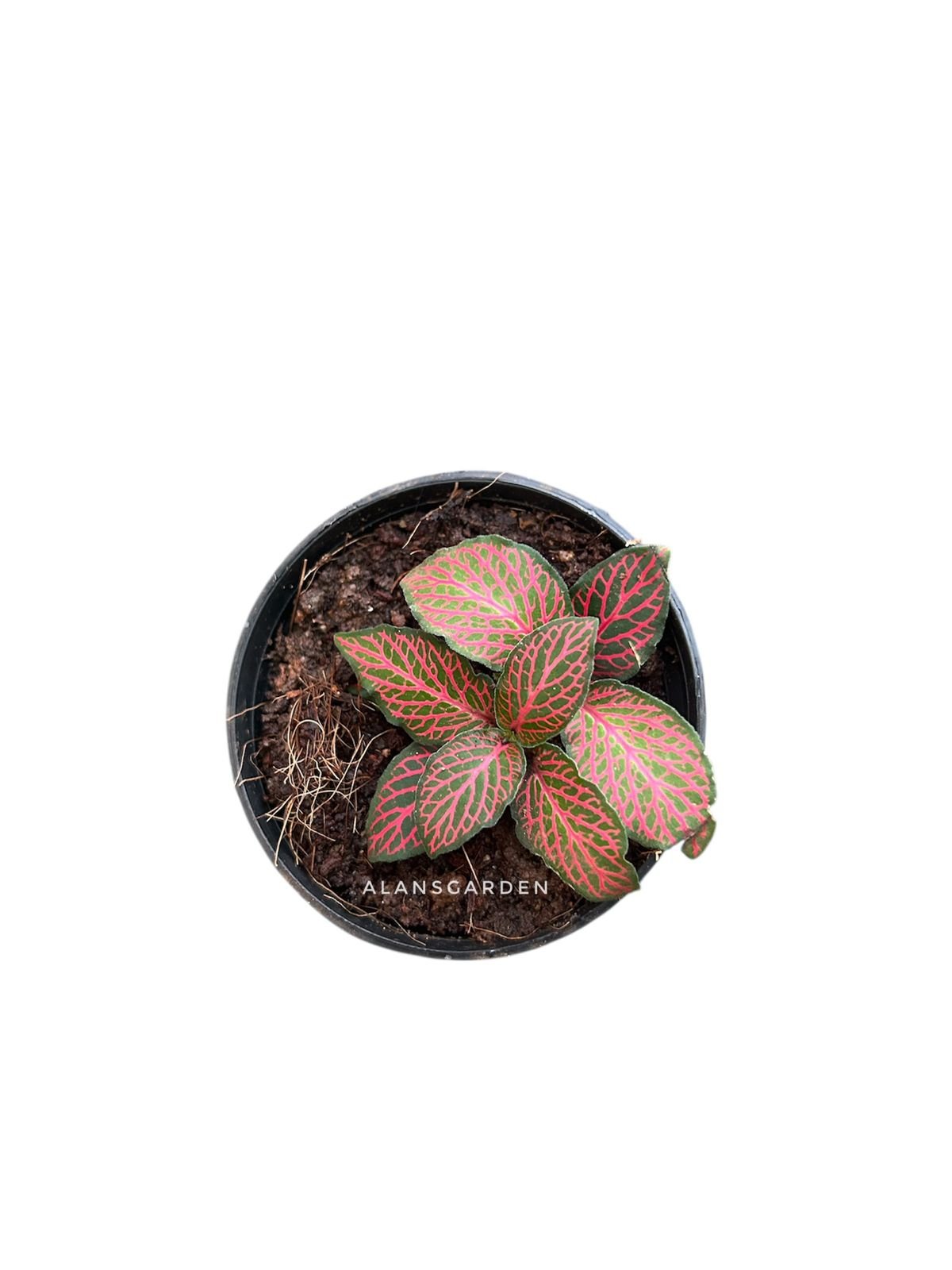
Fittonia Code 7
Original price was: ₹199.00.₹99.00Current price is: ₹99.00.
Selling Same size plant with 2.5 inch pot
Additional information
Guaranteed safe checkout
Description
Description
Fittonia (Nerve Plant) – Description
Fittonia, commonly called Nerve Plant, is a compact, attractive indoor plant known for its striking vein-patterned leaves. The leaves are soft, oval, and come in vibrant colors like white, pink, red, or silver veins depending on the variety. Fittonia grows low and bushy, making it ideal for tabletops, terrariums, and shaded indoor spaces.
Key Features
- Botanical Name: Fittonia albivenis
- Common Name: Nerve Plant / Mosaic Plant
- Plant Type: Tropical foliage plant
- Growth Habit: Low-growing, bushy
- Leaf Colors: Green leaves with pink, red, silver, or white veins
- Ideal For: Indoor pots, terrariums, dish gardens
Fittonia Care Guide
1. Light
- Prefers bright, indirect light.
- Tolerates low light but colors fade.
- Avoid direct sunlight — it burns the delicate leaves.
2. Watering
- Fittonia likes consistently moist soil, but not soggy.
- Water when the top layer feels slightly dry.
- It can wilt dramatically when thirsty but perks up quickly after watering.
- Use soft or filtered water if possible.
3. Humidity
- Requires high humidity (60–80%).
- Ideal for bathrooms, kitchens, or terrariums.
- Mist regularly or use a pebble tray/humidifier to prevent leaf browning.
4. Temperature
- Keep between 18–28°C.
- Protect from cold drafts and sudden temperature drops.
5. Soil
- Use a light, well-draining potting mix.
- Best mix: cocopeat/peat + perlite + compost.
- Never allow the soil to become compact.
6. Fertilizer
- Feed monthly during the growing season (Feb–Oct).
- Use a balanced liquid fertilizer diluted to ½ strength.
- Avoid overfeeding, which can damage roots.
7. Pruning
- Pinch back tips to maintain shape and encourage bushy growth.
- Remove yellow or damaged leaves.
8. Repotting
- Repot once a year or when it becomes root-bound.
- Choose a small pot, as Fittonia prefers slightly tight spaces.
Common Problems & Solutions
Leaves turning brown
→ Low humidity. Increase moisture in the air.
Wilting
→ Underwatering. Water immediately; plant will recover.
Yellow leaves
→ Overwatering. Allow soil to dry slightly between waterings.
Leggy growth
→ Low light. Move to brighter indirect light.
Specifications
- Lorem ipsum dolor sit amet
- Praesent vitae justo id velit
- Duis sed nisi rhoncus, fringilla turpis

Reviews
There are no reviews yet.