


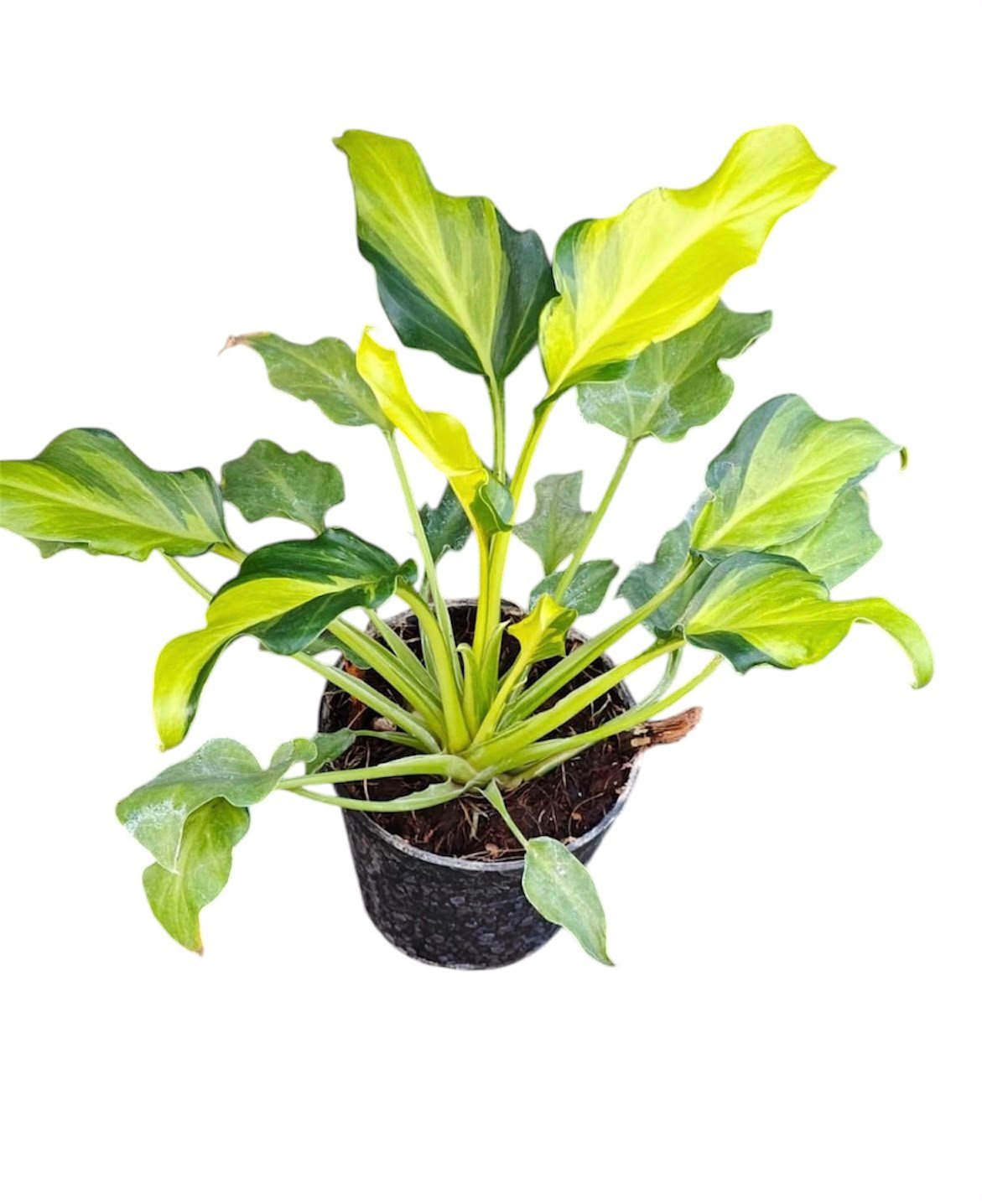
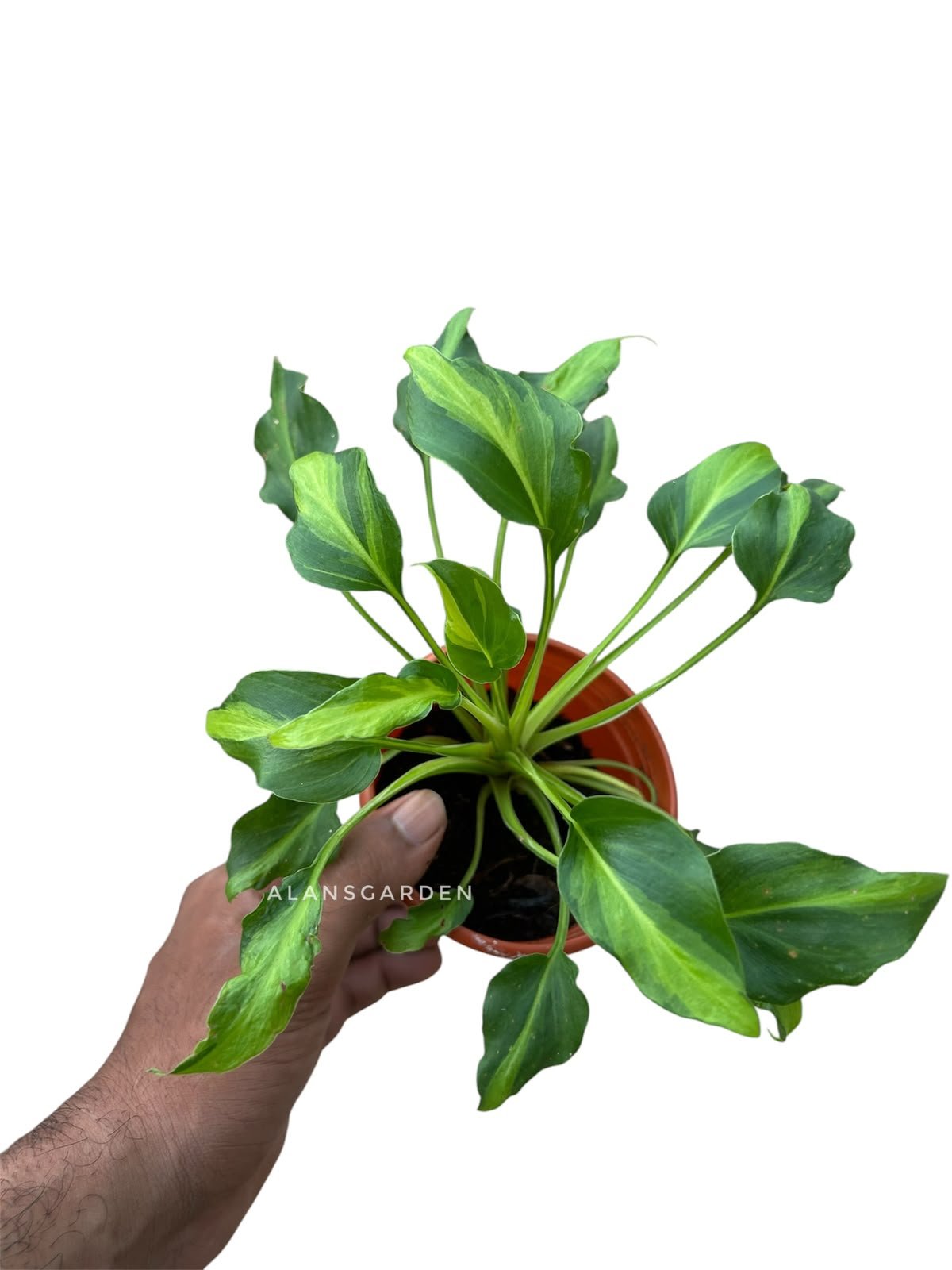
Xanadu Variegated
Original price was: ₹1,999.00.₹849.00Current price is: ₹849.00.
Selling size mentioned in last image
Additional information
Guaranteed safe checkout


Description
Description

 Light Requirements
-
Prefers bright, indirect light
-
Variegated plants need more light than green Xanadu to maintain patterns
-
Avoid harsh direct sunlight—it can scorch pale areas
-
Low light = slower growth + fading variegation
Tip: Place near an east-facing window or 1–2 meters from a bright south-facing window with sheer curtains.
 Watering
-
Water when the top 3–5 cm of soil feels dry
-
Keep soil evenly moist, not soggy
-
Overwatering leads to root rot (common mistake)
Signs to watch:
-
Yellowing leaves → overwatering
-
Curling or drooping → underwatering
 Soil Mix
Use a well-draining, airy aroid mix:
-
40% cocopeat or peat moss
-
30% perlite or pumice
-
20% orchid bark
-
10% vermicompost
Good drainage is essential for healthy roots.
 Temperature
-
Ideal range: 18–30°C
-
Protect from cold drafts and AC vents
-
Growth slows below 15°C
 Humidity
-
Thrives in 60–80% humidity
-
Average home humidity works, but higher humidity improves leaf size and color
Boost humidity by:
-
Using a humidifier
-
Grouping plants
-
Placing on a pebble tray
 Fertilizing
-
Feed every 3–4 weeks during active growth (spring–monsoon)
-
Use a balanced liquid fertilizer at half strength
-
Avoid overfeeding—it can damage roots and fade variegation
Pause or reduce feeding in winter.

 Pruning & Maintenance
-
Remove yellow or damaged leaves at the base
-
Clean leaves monthly to improve photosynthesis
-
Pruning encourages a fuller, compact shape
 Potting & Repotting
-
Repot every 1.5–2 years
-
Choose a pot with drainage holes
-
Move up only one pot size at a time
Propagation
Propagation is possible but slow:
-
Divide mature clumps during repotting
-
Each division must have healthy roots and growth points
Stem cuttings are not ideal since Xanadu is self-heading.
 Pests & Problems
Common pests: Spider mites, mealybugs, thrips
-
Treat with neem oil or insecticidal soap every 7–10 days
Common issues:
-
Brown edges → low humidity or salt buildup
-
Pale leaves → insufficient light
 Toxicity
-
Toxic to pets and children if ingested (contains calcium oxalate crystals)

 Pro Tips for Best Variegation
-
Bright indirect light is key
-
Avoid frequent shifting of location
-
Stable conditions = better leaf pattern consistency
 When should it be repotted?
Repot every 1–2 years or when roots emerge from drainage holes. Pick a pot only 2–4 cm wider than current — too big can hold too much moisture.
 Common Problems & Fixes
 Leaves turning yellow
-
Usually overwatering or poor drainage — let soil dry more between drinks.
-
Too much direct sun or nutrient deficiency can also cause it.
Brown tips/edges
-
Often low humidity or inconsistent watering. Try a humidifier/pebble tray.
Loss of variegation
-
If new leaves come out mostly green: It needs more light! Move it to a brighter spot (but not direct noon sun).
Pests
-
Keep an eye out for spider mites, mealybugs, or scale. Treat with insecticidal soap or neem oil right away.
Safety Note
Like most philodendrons, this plant is toxic if eaten — keep away from children and pets.
Specifications
- Lorem ipsum dolor sit amet
- Praesent vitae justo id velit
- Duis sed nisi rhoncus, fringilla turpis


Reviews
There are no reviews yet.